By: Sarah Lohm, MS
Fall is one of my favorite times of year for cooking. Between all the soups and chili to make, seasonal roasted veggies, and cozy, comforting recipes, there are so many ways to work extra fruits and veggies into everyday meals. But when you’re picking up ingredients at the grocery store, you might wonder whether fresh, frozen, or canned produce is the better choice.
Does it really matter which one you choose? Is fresh always the best option, or can frozen and canned foods offer the same nutritional benefits?
The good news is that all three have their place! I like keeping a mix of each type on hand because it takes some of the pressure off grocery shopping. Fresh produce is great when you have it and are ready to use it, frozen options are convenient to keep on hand for later, and canned varieties are an easy pantry staple when you need something quick. You don’t have to rely on just one type to get the benefits of fruits and vegetables! Mixing and matching these options is an easy way to add variety to meals, stretch a recipe into a few extra servings, and make the most of what you already have in your kitchen.
So, let’s talk about what makes each option unique and how fresh, frozen, and canned produce all have a place in your cooking!
Fresh, Frozen, and Canned Produce: What’s the Difference?
Fresh Produce

Fresh fruits and vegetables are a delicious option, especially when they’re in season. They’re great for salads, snacks, roasting, and recipes where you want a little extra crunch. Fall brings plenty of seasonal favorites, including apples, Brussels sprouts, sweet potatoes, squash, and cauliflower. For more ideas on what’s in season, check out our Fall Produce Guide!
Fresh produce provides a variety of important vitamins and minerals. However, some vitamins, particularly vitamin C and certain B vitamins, can gradually decrease as produce sits in storage. This means that depending on how long fresh produce has been stored, it may not always have more nutrients than frozen or canned options.
That’s not to say fresh produce isn’t a great choice because it absolutely is! Fresh fruits and vegetables offer plenty of nutritional benefits, and choosing seasonal produce is a wonderful way to enjoy a variety of foods. The goal isn’t to choose one over the others, but to recognize that fresh, frozen, and canned produce can all have a place in your kitchen.
One thing to keep in mind with fresh produce is how quickly certain foods can spoil. If you’ve ever bought fresh spinach with plans to use it all week, only to find it wilting in the fridge a few days later, you know how easy it is for good intentions to go to waste. Planning a few meals around the produce you buy can help you make the most of it, but it’s also okay to mix in frozen or canned options when you need something that will last longer.
Fall cooking idea: Roast fresh Brussels sprouts, sweet potatoes, or butternut squash with olive oil and your favorite seasonings. Make a little extra to add to grain bowls, salads, or wraps later in the week.
Frozen Produce
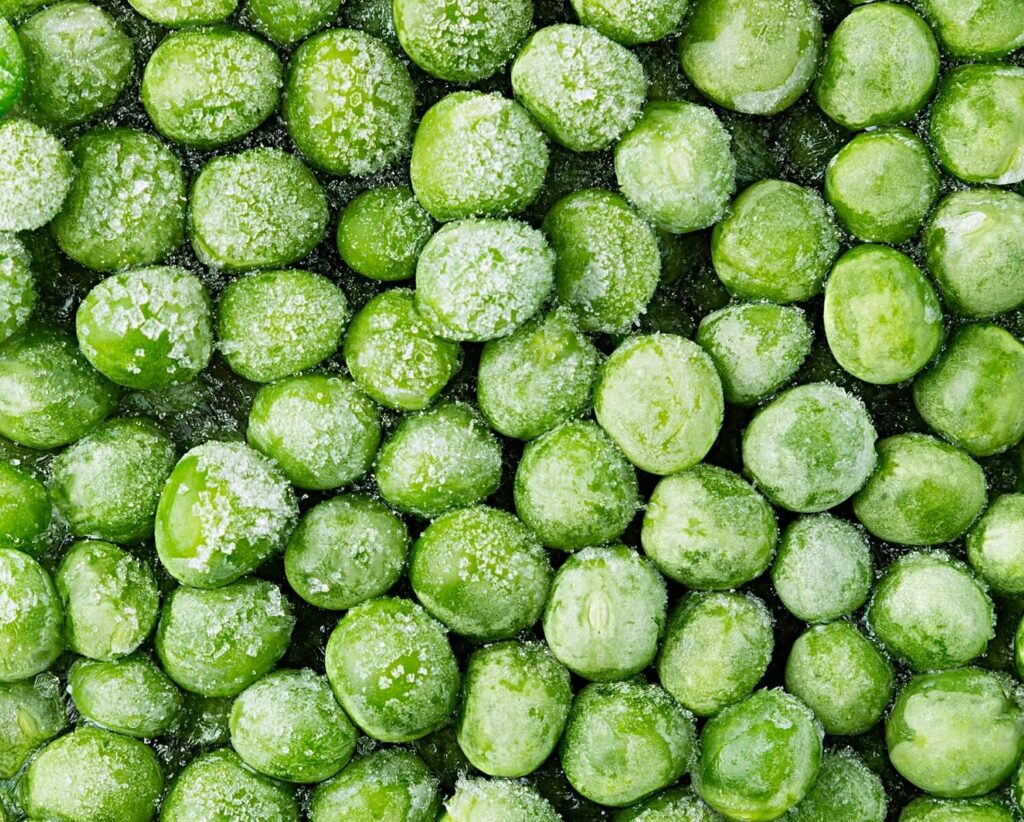
Frozen fruits and vegetables are typically harvested when ripe and quickly frozen to help preserve their quality and nutrients. Freezing helps retain many vitamins and minerals, making frozen produce a nutritious option. Depending on the food and how long fresh produce has been stored, frozen varieties may even retain more of certain nutrients.
One of my favorite things about frozen produce is how convenient it is. You can keep it in the freezer until you need it, use as much as you want, and save the rest for another meal. There’s less pressure to use everything within a few days, and most frozen vegetables are already washed and chopped, which saves tons of time in prep.
Frozen produce is also an easy way to add fruits and vegetables to meals you already enjoy. Toss frozen corn into chili, stir spinach into soup, or add mixed vegetables to a casserole. You can use what you have on hand without needing to make an extra trip to the grocery store – and you simply just need to dump and stir!
When shopping, look for frozen fruits and vegetables without added sauces or seasonings. Plain varieties are versatile and easy to incorporate into different recipes.
Fall cooking idea: Keep frozen broccoli, spinach, corn, or mixed vegetables on hand for soups, casseroles, pasta dishes, and chili. Frozen berries are also great for oatmeal, smoothies, and yogurt bowls.
Canned Produce
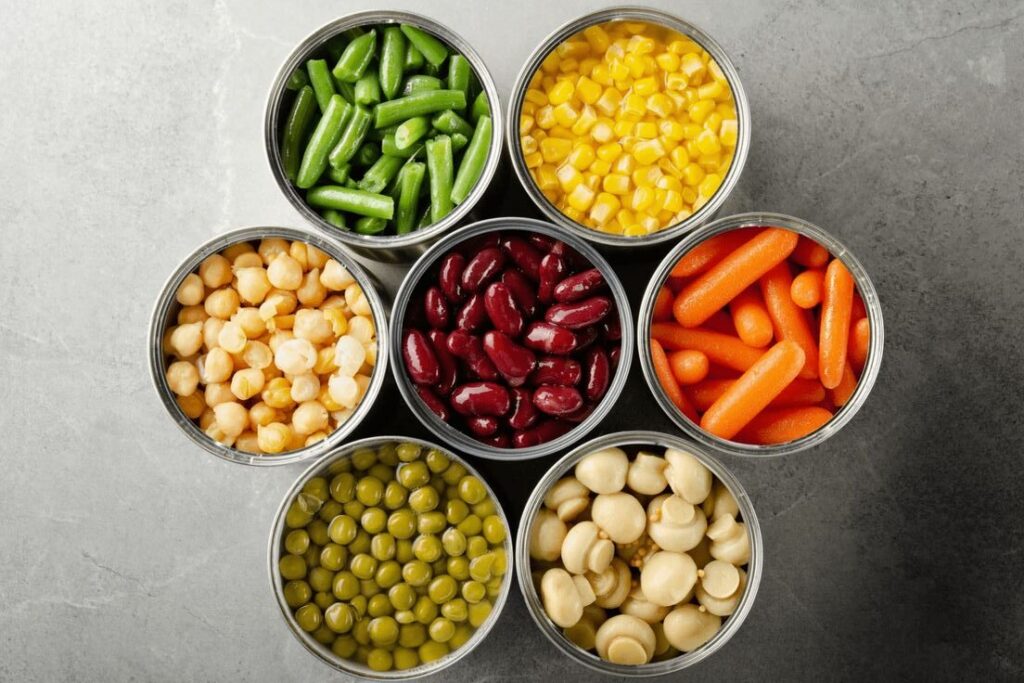
The canning process uses heat to make foods shelf-stable, which means unopened cans can be stored in your pantry for an extended period. They’re especially handy to have around when you need an ingredient but don’t have fresh or frozen options available.
Because canning involves heat, some heat-sensitive vitamins, such as vitamin C and certain B vitamins, can be reduced during processing. However, many other nutrients, including fiber and minerals, are well retained. Canned produce still offers plenty of nutritional benefits and is an easy way to add more fruits and vegetables to your meals.
One of the biggest benefits of canned produce is how convenient and budget-friendly it can be. It’s already cooked or prepared in many cases, requires very little prep, and can help you pull together a meal with ingredients you already have. Canned beans, for example, are an easy way to add fiber and plant-based protein to chili or soup, while canned tomatoes make a great base for sauces, soups, and stews.
When shopping, there are a few things to keep in mind:
- Canned vegetables: Look for no-salt-added or lower-sodium options when available.
- Canned fruit: Choose fruit packed in water or 100% juice if you prefer options with less added sugar.
- Canned beans: Draining and rinsing beans can help reduce their sodium content.
Fall cooking idea: Add canned beans and tomatoes to chili, stir canned pumpkin into oatmeal or baked goods, or add canned pears to a salad. Having a few pantry staples on hand makes it easier to pull together a meal without needing to start from scratch.
So, Which Is the Most Nutritious?
There’s no single answer! The nutritional differences between fresh, frozen, and canned produce depend on the type of fruit or vegetable, how it’s processed, how long it’s stored, and how it’s prepared.
All three provide important nutrients, including vitamins, minerals, and fiber. It’s also worth remembering that nutrition isn’t the only factor when choosing produce. Cost, convenience, taste, availability, and how much food you’ll realistically use all matter, too.
Rather than worrying about which option is best, consider what works for the meal you’re making, what your schedule looks like, and what will help you enjoy a variety of fruits and vegetables throughout the week.
Putting It Into Practice This Fall
Fall cooking is a great opportunity to mix and match fresh, frozen, and canned ingredients. You don’t need to buy everything fresh or spend hours chopping vegetables to make a satisfying meal.
Here are a few ways to put them to use:
- Making chili? Start with fresh onion and peppers, then add canned beans and tomatoes. Frozen corn is an easy addition, too. Using a combination of ingredients can help make a big batch that lasts for several meals. Our White Chicken Chili is a great place to put this to use!
- Making soup? Add frozen vegetables or canned beans to make it heartier without adding much prep time. Our Burrito Bowl Soup is the perfect meal to try this out!
- Roasting vegetables? Pick up seasonal produce like sweet potatoes, Brussels sprouts, and squash. Roast extra to use in meals later in the week. Here is a NUWLi kitchen fan favorite Sheet Pan Meal.
- Trying to stretch dinner a little further? Add extra beans, corn, or vegetables to chili, soups, and casseroles. You may be able to get a few more servings out of the same recipe while adding variety and nutrients. Give our Toss-and-Go Pumpkin Chili a try!
- Looking for an easy breakfast? Add fresh apples, frozen berries, or canned pumpkin to oatmeal.
- Want to waste less food? Check your refrigerator, freezer, and pantry before grocery shopping. You might already have ingredients that can be used together in a meal.
You don’t have to follow a strict meal-prep routine to make this work. Keeping a few fresh, frozen, and canned options on hand can give you more flexibility when planning meals and help make the most of the food you buy.
At the end of the day, fresh, frozen, and canned produce can (and are!) all part of a balanced diet. The best choice is the one that works for your needs, your budget, and the meal you’re making. So the next time you’re grocery shopping or putting dinner together, don’t be afraid to mix and match. A little flexibility can go a long way!