By Sarah Lohm, Dietetic Intern
Every September, I feel like there’s this natural pull to “get back on track.” I’ve noticed it throughout college and still hear it from friends and family now as summer comes to an end. After a few months of vacations, dinners out, ice cream runs, weekend plans, and a more relaxed schedule, September can feel like a natural time to settle back into a routine.
Sometimes, that mindset makes its way into the way we grocery shop, too. We might start thinking more about what we should be buying, what we want to avoid, or how we can make our eating habits a little “better.”
But lately, I’ve been thinking about that phrase: get back on track. What if we’re already on track?
What if the problem isn’t that we need to change the way we’re eating, but that we need to change the way we’re thinking about food?
The Pressure to “Get Back on Track”
I think there’s a lot of black-and-white thinking around what it means to eat “well.” We’re constantly given the idea that there is a right way and a wrong way to eat, and that enjoying certain foods or eating outside of our normal routine means we’ve somehow gotten off course.
A busy week turns into more takeout. A vacation means eating out more often. A weekend with friends includes more desserts and snacks. And instead of simply recognizing that our routines changed for a few days, we start thinking we need to compensate for it.
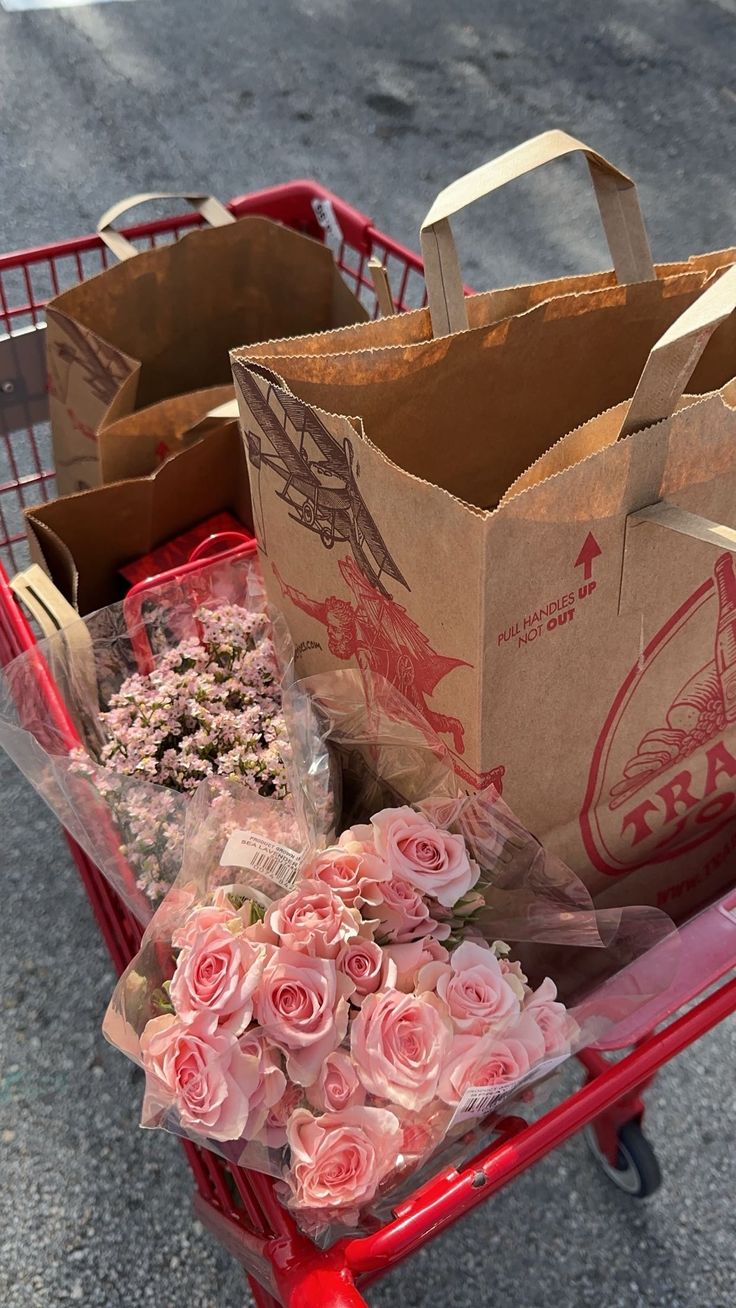
So we go to the grocery store and stock up on all the foods we think we should be eating.
More vegetables. More “clean” foods. No snacks. No desserts. Maybe even foods we don’t particularly enjoy, just because we’ve decided they’re healthier. But, I am so very happy to share that your grocery cart doesn’t need to be a reflection of how “good” you’ve been.
What If We Stopped Looking at Food as Good or Bad?
This is where food neutrality comes in. Food neutrality is the idea that we don’t have to label foods as inherently “good” or “bad.” Instead, we can recognize that different foods provide different things.
Some foods are rich in protein, fiber, vitamins, and minerals. Some provide carbohydrates for energy. Some are convenient when we don’t have much time. Some are nostalgic. Some are comforting. Some are simply foods we really enjoy.
That doesn’t make one food good and another bad, It just makes them different. And I think that distinction can be really freeing!
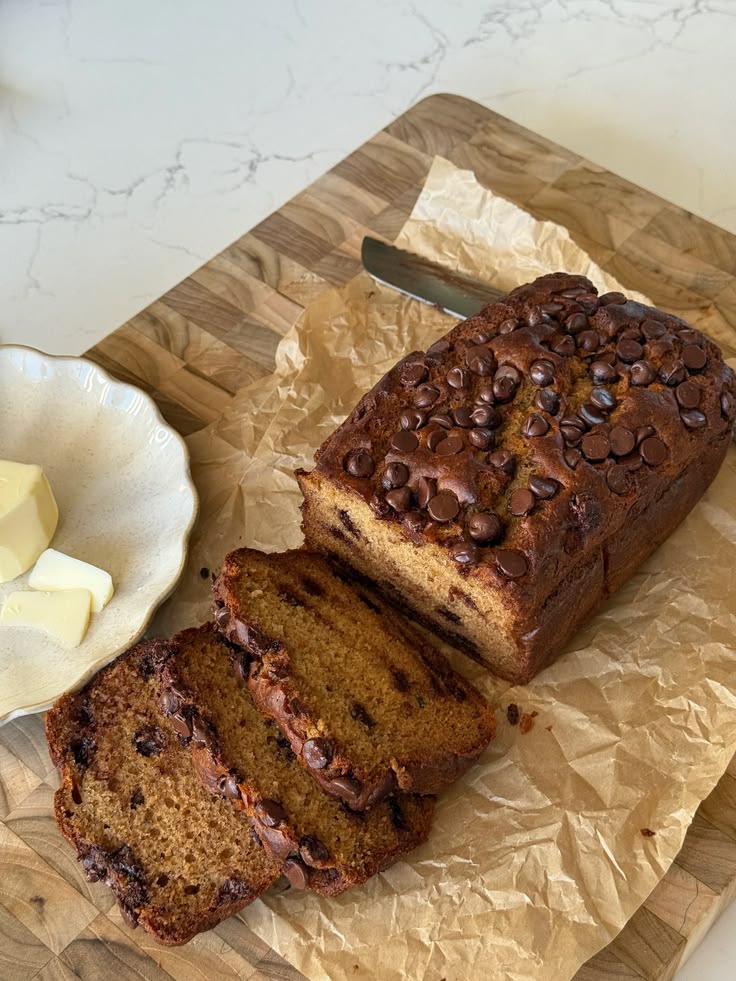
We can recognize that vegetables provide important nutrients without deciding that the cookies in the pantry are a problem. We can prioritize protein without deciding that a bowl of cereal isn’t a “good enough” breakfast. We can care about our nutrition while still making room for the foods that we eat purely because we enjoy them. That doesn’t mean choosing cookies over vegetables at every meal or ignoring nutrition altogether, it simply means we don’t have to avoid the foods we enjoy to have a balanced diet. We can be mindful of what our bodies need while still allowing ourselves to enjoy food without guilt.
When “Off-Limits” Foods Become Even Harder to Ignore
Have you ever put much thought into why following a strict diet can soon become a yo-yo? One of the biggest problems with labeling foods as “bad” is that completely avoiding them can sometimes make them feel even more powerful. Think about a food you’ve told yourself you “can’t” have.
Suddenly, you notice it everywhere. You think about it more. You might even find yourself waiting for the perfect opportunity to eat it… and when you finally do, it can feel like you’ve already “broken the rules.”
That can lead to the familiar cycle:
Restrict → crave → eat → feel guilty → restrict again.
And none of that means you lack willpower! Sometimes, the more we tell ourselves that we can’t have something, the more mental space that food takes up. That’s not your fault, it’s just human nature. The good part? If we can understand the why behind patterns like this, the better equipped we can be to understand ourselves, our habits, and adjust to enjoy food and life a little more.
Giving yourself permission to eat a food doesn’t mean you’ll suddenly want it all the time. In fact, allowing foods to become less forbidden can help take away some of the urgency and guilt surrounding them.
Shop for the Life You’re Actually Living
So, let’s put this all together. What does this look like at the grocery store? Instead of asking yourself, “What should I buy if I want to get back on track?”
Try asking: “What will actually help me feel nourished this week?”
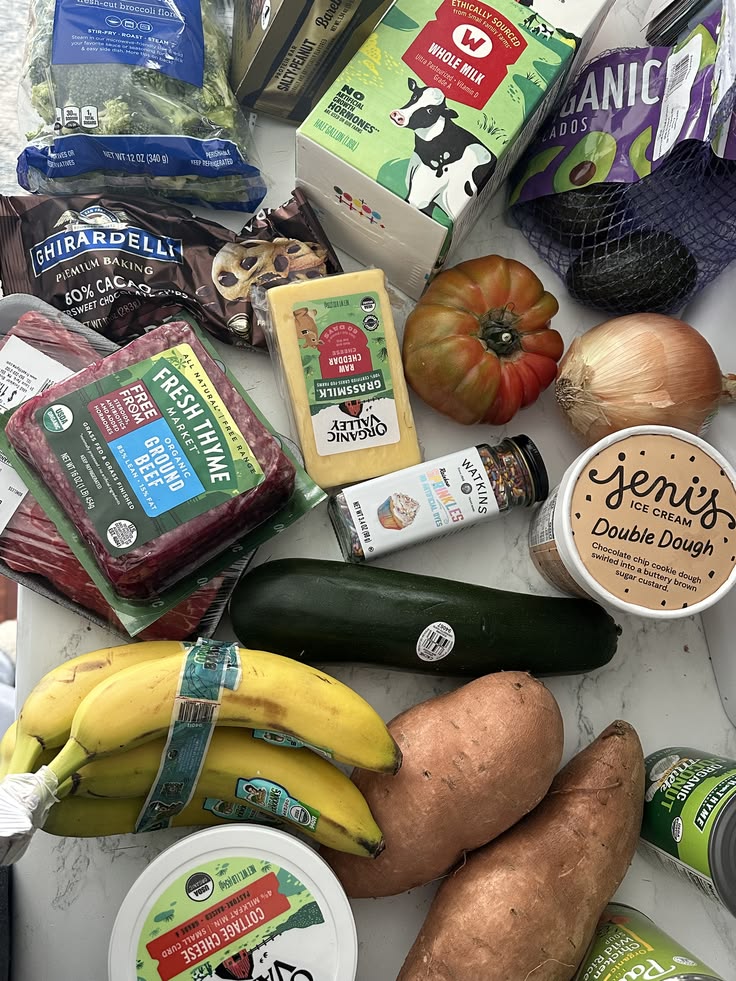
Maybe that’s fresh produce. Maybe it’s frozen vegetables because you know you’ll actually eat them (or they will be there for you next week). Maybe it’s chicken, eggs, or Greek yogurt for easy protein. Maybe it’s microwave rice because you have a busy week and don’t want to spend an hour making dinner, but you still want to make sure your plate is fueling you!
Maybe it’s pre-cut fruit because you know you’ll reach for it more often, and you’re a mom with 2 little ones and cutting fruit is just not in the cards for you.
In addition to all of that, maybe it’s your favorite cereal, a bag of chips, or a box of cookies because you like having those foods around. You don’t have to earn those foods by first buying enough “healthy” ones. Your grocery cart can hold all of it.
Your Grocery Cart Doesn’t Need to Be Perfect
If I can share one piece of “food for thought”, it is that nutrition doesn’t have to be an all-or-nothing process. A nourishing grocery cart isn’t necessarily the one with the most vegetables, the fewest “fun foods,” or the most impressive ingredients.
It’s the one that reflects your actual life. The one that accounts for the nights you have time to cook and the nights you don’t. One that includes foods that make you feel good physically and foods that you genuinely enjoy. One that makes it easier to feed yourself consistently instead of making eating feel like another task you have to get perfectly right.
Maybe You Don’t Need to Get Back on Track
As we head into a new season, I think it’s worth questioning the idea that we need to “get back on track” in the first place. Maybe summer didn’t throw you off. Maybe eating differently while traveling, spending more time with friends, going out to dinner, or enjoying more ice cream wasn’t something you needed to undo. Maybe your routine simply looked different for a while. And that’s okay!
You can simply adjust your routine as your life changes.
So this September, instead of asking yourself, “How can I get back on track?” try asking:
“What can I realistically do that will help me feel good and build habits I can actually stick with?” Because healthy habits don’t have to be all-or-nothing. The goal isn’t to make a perfect change overnight, but to build habits that can grow with you and last beyond September.